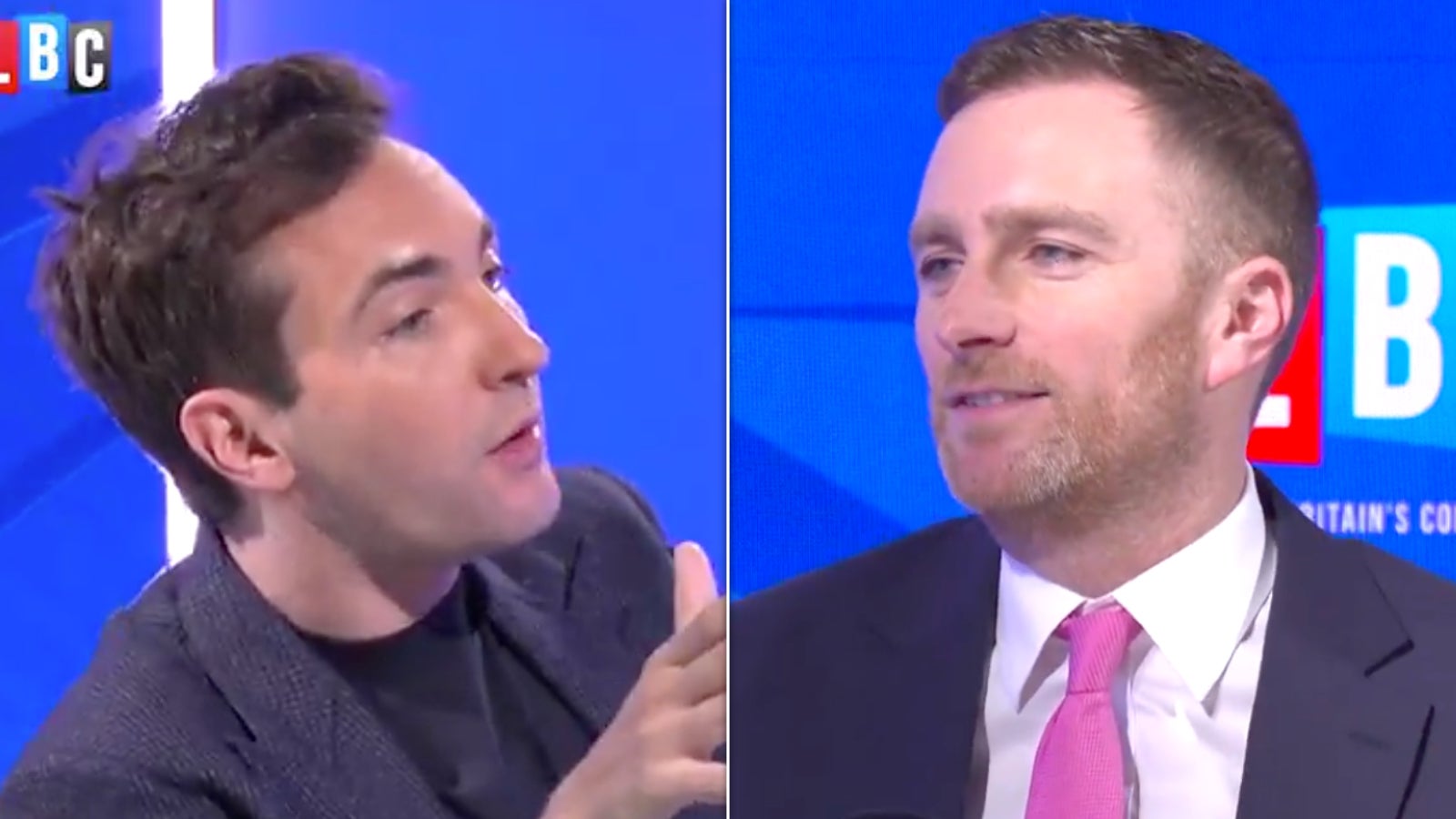
URGENT UPDATE: LBC presenter Lewis Goodall fiercely confronted Tory MP Matt Vickers during a live interview, demanding accountability for the economic fallout linked to Brexit. As the UK struggles with a stagnating economy, Goodall highlighted shocking findings that suggest Brexit has cost every UK citizen approximately £3,000 in lost economic growth.
During the heated exchange on December 21, 2025, Goodall referred to research from renowned institutions, including Stanford University and the Bank of England, revealing that Brexit is costing the UK up to £90 billion annually in lost tax revenue. This alarming statistic raises immediate questions about the sustainability of the Conservative party’s Brexit stance as public sentiment shifts.
As the economy falters, the idea of rejoining a customs union with the EU is gaining traction, even among some Labour officials, despite their official manifesto rejecting such a move. This growing discontent could have significant implications for the upcoming elections.
Goodall pressed Vickers on the economic impact: “Are you saying Brexit has been good for this country economically?” Vickers attempted to defend the government’s position, claiming Brexit has created opportunities for new trade agreements. However, Goodall countered aggressively, stating, “You’re there having a go at Rachel Reeves for increased bureaucracy… Have you ever tried driving a small business exporting to Europe these days?”
The stark reality is that small businesses are feeling the pinch from post-Brexit trade complications. Goodall’s challenge posed a critical question for viewers: How much longer can the government maintain that Brexit is beneficial when real-world evidence suggests the opposite?
As the economic crisis deepens, the debate over Brexit’s legacy is intensifying. The House of Commons has shown support for a Liberal Democrat bill advocating a return to previous trading arrangements, further complicating the Tories’ narrative.
The implications of this interview stretch beyond political rhetoric. With the UK experiencing the slowest growth in the G7, contrasting sharply with the pre-Brexit narrative of rapid economic growth, this political discourse could sway public opinion as the country heads toward its next election.
Stay tuned as this story develops, and watch for potential shifts in policy as the pressure mounts on the Conservative government to respond to growing public dissatisfaction regarding Brexit’s economic aftermath.