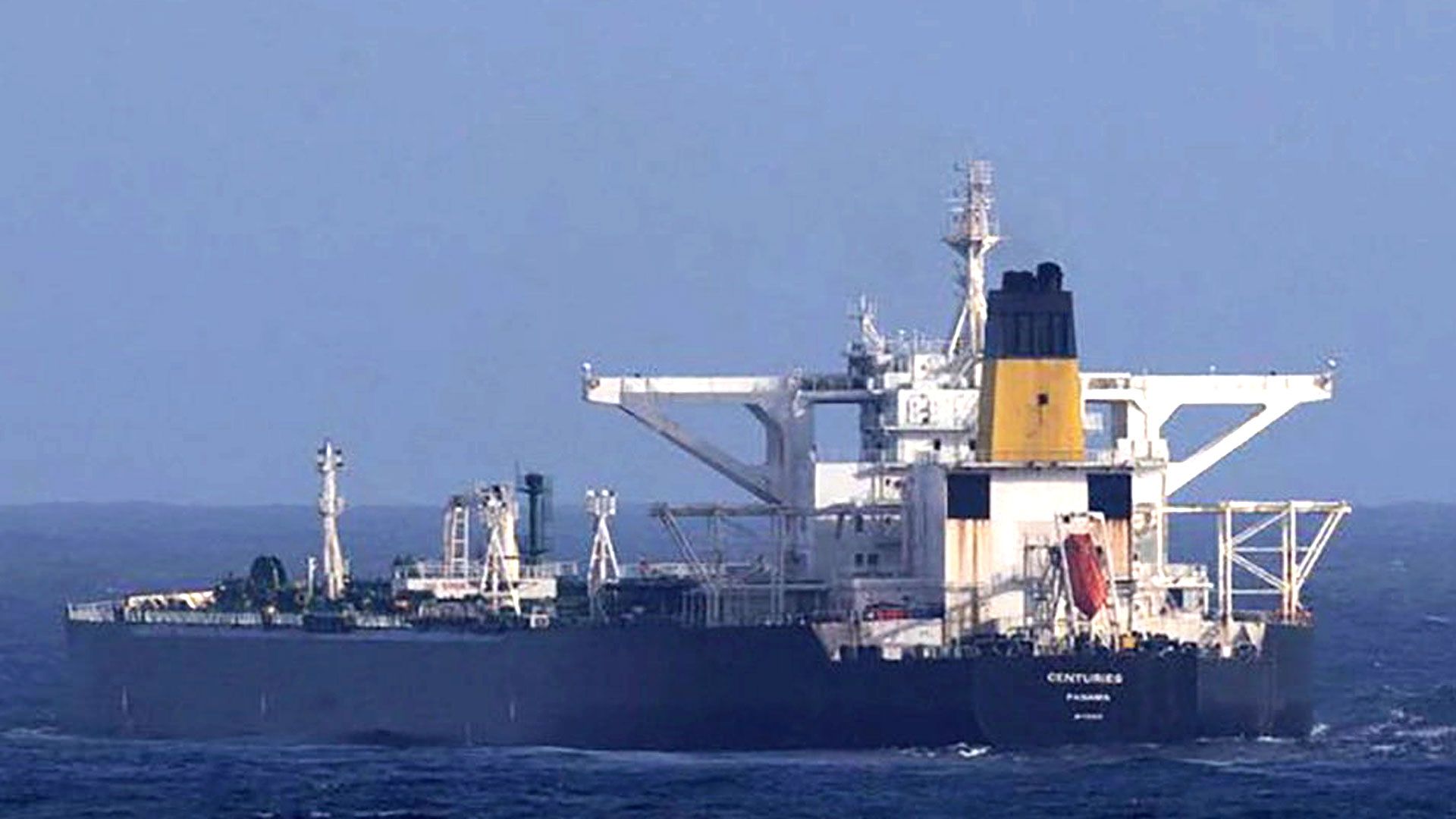
The United States is pursuing a third oil tanker linked to Venezuela, intensifying the ongoing tensions between Washington and Caracas. According to a US official, the vessel is categorized as a “sanctioned dark fleet vessel,” which is allegedly part of Venezuela’s efforts to evade international sanctions. This tanker is reportedly “flying a false flag” and is under a judicial seizure order, although the US authorities have not officially confirmed the pursuit, leaving the tanker’s name and precise location undisclosed.
The escalation follows the seizure of two oil tankers earlier this month, including one that was intercepted on Saturday in international waters by a specialized US tactical boarding team. This particular vessel was flying a Panamanian flag and was not listed on the US Treasury’s sanctions register. However, US officials state it was transporting oil from the state-owned company, PDVSA, which is under US sanctions. Shipping records reviewed by BBC Verify indicate that the tanker had previously sailed under Greek and Liberian flags.
Venezuela has condemned the seizures, labeling them as “theft and kidnapping,” and has warned that such actions will not go unpunished. The Venezuelan government intends to file formal complaints with the United Nations Security Council and other international bodies.
In a related move, US President Donald Trump recently ordered what he referred to as a “blockade” of sanctioned oil tankers entering or leaving Venezuela’s waters. He accused the Venezuelan government of using oil revenues to fund drug-related crime. Venezuela, which boasts the world’s largest proven oil reserves, has firmly rejected these claims, accusing the Trump administration of attempting to seize its resources.
Data from TankerTrackers.com reveals that more than 30 of the 80 vessels operating near Venezuelan waters were under US sanctions as of last week. Oil exports are crucial to Venezuela’s economy and government financing. In recent weeks, the United States has bolstered its military presence in the Caribbean and has conducted strikes on alleged Venezuelan drug-smuggling boats, resulting in approximately 100 casualties.
The US has also imposed sanctions on relatives of Venezuelan President Nicolás Maduro and businesses linked to what it describes as his illegitimate government. US Secretary of State Marco Rubio stated on Friday that the current situation with the Venezuelan leadership is “intolerable for the United States,” emphasizing the administration’s determination to alter the dynamics.
Criticism has emerged from Venezuela regarding Rubio’s remarks, with the foreign minister accusing him of advocating for a policy of “regime change.” The US military’s actions have drawn increasing scrutiny from Congress, particularly as there has been no public evidence released to substantiate claims that the targeted vessels were involved in drug trafficking. President Maduro has denied allegations that he leads the Cartel de los Soles, which the US has designated as a terrorist organization.
As the situation develops, the implications of these actions on international relations and economic stability in the region remain significant. The US’s aggressive stance towards Venezuela underscores the ongoing complexities surrounding oil, sanctions, and geopolitical strategy.