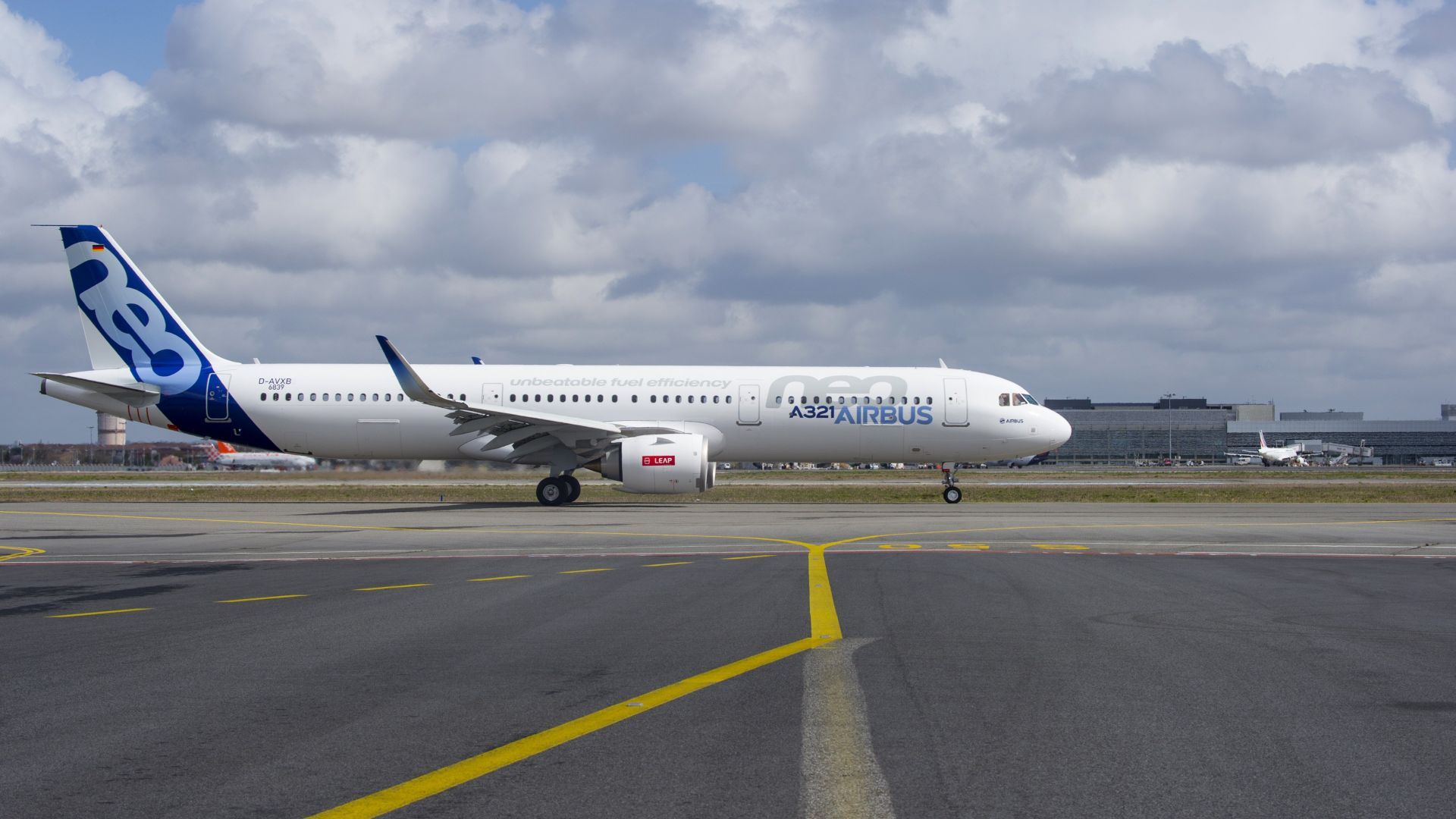
Airbus successfully delivered ten A321neo aircraft to various customers on December 19, 2025, marking a significant effort to meet its revised delivery target for the year. This surge comes as the European aircraft manufacturer aims to fulfill its goal of delivering 790 aircraft by the end of December. As of November, Airbus had completed 72 deliveries, generating a revenue of approximately $657 million for the year.
Despite the ambitious target, the company faces challenges, having recorded only 30 deliveries in the first half of December. The push to maximize output is critical as the year reaches its conclusion, with a remaining balance of 100 deliveries needed to meet the adjusted goal.
Delivery Details and Challenges
On December 18, Airbus celebrated a milestone with the delivery of its 800th aircraft produced at the Tianjin facility, specifically an A321neo handed over to Air China. The deliveries on December 19 included three jets for Wizz Air, which is transitioning to an all A321neo fleet by 2033, alongside several other major customers.
The aircraft delivered on this date originated from all major final assembly lines, including those in Hamburg, Tianjin, and Toulouse, but notably excluded the plant in Mobile, Alabama. CEO Guillaume Faury characterized November as a weak month for manufacturing due to production slowdowns caused by panel defects identified by suppliers of the A320. This issue prompted certain customers to postpone takeovers until they received assurances regarding resolution.
Industry analyst Rob Morris expressed skepticism about the feasibility of Airbus meeting its revised target, stating, “If they are to deliver another 104 aircraft to achieve the restated guidance of around 790, that seems like a very steep challenge at this point in the month.”
Key Deliveries and Future Plans
The December 19 deliveries included notable contributions from several airlines. Wizz Air received three A321neo aircraft, complementing its recent milestone of taking delivery of its 250th A320 aircraft earlier in December. Additionally, IndiGo, one of the largest operators of the A321neo globally, accepted one aircraft, while Scoot, based in Singapore, received another to bolster its fleet of A321neos.
Other airlines benefiting from the December 19 deliveries included AirAsia and China Airlines, with the latter taking delivery of an aircraft that is part of a larger order that includes eight more A321neos and five A350-900 widebody jets.
As Airbus accelerates its production capabilities, both the Tianjin and Mobile plants underwent capacity expansions in October 2025. The Tianjin facility, crucial to Airbus’s production strategy, now accounts for approximately 20% of the company’s global production, with 25% of its Chinese-made jets destined for international markets.
Additionally, Airbus has announced plans to establish a second assembly line in the United States, aimed at increasing production capacity closer to North American customers. This strategic move is designed to mitigate challenges related to tariffs and political issues that previously impacted operations.
With just a few weeks left in the year, Airbus remains focused on overcoming production hurdles to achieve its revised goal and maintain its position as a leading player in the global aerospace industry.