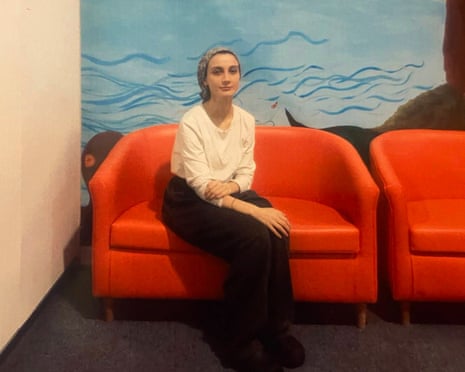
Teuta Hoxha, a 29-year-old activist associated with Palestine Action, is currently entering the 42nd day of her hunger strike at HMP Peterborough. She is among several prisoners protesting against their treatment while awaiting trial for alleged criminal activities linked to a factory operated by the Israeli arms manufacturer Elbit Systems in Filton, near Bristol. The hunger strike, which began on November 2, 2023, coincides with the anniversary of the Balfour Declaration, and is reportedly the largest coordinated hunger strike in the UK since those undertaken by IRA prisoners in 1981.
Hoxha described her experience as profoundly challenging, stating, “A lot of the times it feels like you’re being suffocated.” She noted significant physical changes, including alterations in skin tone and increased greyness of hair. Alongside her comrades, she has faced severe mental strain but remains resolute in her determination. Many of her fellow prisoners, who have been held on remand for over a year—well beyond the typical six-month pre-trial custody limit—have also expressed concerns for their health. Some have been hospitalized multiple times as their conditions worsen.
The prisoners are demanding immediate bail and the lifting of restrictions imposed on Palestine Action, which they claim have led to their classification as terrorists within the prison system. Hoxha emphasized the potential consequences of her hunger strike, including severe health risks such as blindness and organ failure. “What is health without freedom?” she questioned, challenging the prison authorities’ claims regarding her wellbeing.
The hunger strike began with two individuals, Qesser Zuhrah, 20, and Amu Gib, 30, at Bronzefield Prison, who were quickly joined by other activists. Kamran Ahmed, aged 28, at Pentonville Prison in London, is also participating, while Lewie Chiaramello, 22, is on a modified strike due to diabetes. Concerns about their health have mounted, prompting Labour MP John McDonnell to state that he and colleagues have exhausted parliamentary avenues to urge Justice Secretary David Lammy to address the situation, but to no avail.
Dr. James Smith, an emergency physician and lecturer at University College London, has warned that the hunger strikers face dire medical realities. He stated that prolonged starvation can lead to severe bodily dysfunction, including risks to the heart, kidneys, and brain. Smith has been in communication with some of the hunger strikers and their families and has expressed alarm over what he describes as substandard medical care within the prison system.
While prison officials, including those from Sodexo, which operates HMP Peterborough and Bronzefield, maintain that prisoners refusing food receive regular medical assessments, critics argue that the care provided is inadequate given the serious risks involved. The prisons minister, Lord Timpson, claimed in the House of Commons that the government is experienced in managing hunger strikers, asserting that prisons collaborate with the National Health Service to ensure robust health systems are in place.
Hoxha’s family is deeply concerned about her wellbeing. Her sister, Rahma, expressed the emotional toll the situation has taken on their family, stating, “I feel as if the state has taken away a piece of me and shattered my life.” Hoxha herself remains hopeful but warns that without concessions from the authorities, the situation could lead to tragic consequences. “They need to prepare for a scandal on their hands and prepare to answer the question: ‘Why did you let prisoners die?’”
The unfolding events surrounding the hunger strike have drawn attention not only for their humanitarian implications but also for their broader political significance. As the prisoners continue their protest, the call for urgent action from the government and prison authorities becomes increasingly critical.