Vladimir Putin has issued a stark warning following reports that Ukraine killed a senior intelligence general linked to the infamous Salisbury novichok poisoning. This incident follows a significant military achievement by Ukraine, which occurred on March 15, 2024, when its special forces targeted a Russian oil tanker in the Mediterranean Sea.
The oil tanker, known as the Qendil, was struck by drones while sailing off the coast of Libya. The attack resulted in a fire that engulfed the vessel, representing a notable escalation in Ukraine’s military operations against Russian assets. The Ukraine Security Service (SSU) claimed responsibility for what they termed a “new, unprecedented special operation,” marking the first direct hit on a Russian tanker in neutral waters.
Unconfirmed reports suggest that Andrey Averyanov, a senior general in the Russian military intelligence agency known as GRU, was aboard the Qendil at the time of the attack and may have been killed. Averyanov, 60, has been identified as the former commander of GRU Unit 29155, a clandestine group implicated in various operations, including the 2018 poisoning of former double agent Sergei Skripal and his daughter, Yulia Skripal. While both Skripals survived, the incident led to the tragic death of Dawn Sturgess, who came into contact with the discarded nerve agent.
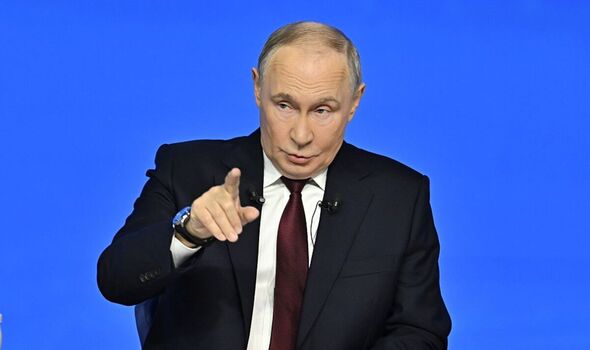
In a televised address to the nation, a visibly angered Putin stated, “Russia is certainly going to respond,” underscoring the heightened tensions between Moscow and Kyiv. The attack on the Qendil not only signifies a tactical win for Ukraine but also raises the stakes in the ongoing conflict.
According to a pro-Ukraine blogger on Telegram, preliminary reports indicate that General Averyanov, along with several deputies, may have been eliminated during the operation. The UK police and intelligence services have previously linked operations against the Skripals and other targets to GRU officers operating under false identities.
Averyanov’s movements across Europe in vessels associated with the shadow fleet have been closely monitored by Ukrainian intelligence. His involvement in covert missions has marked him as a significant figure in Russia’s intelligence operations against the West.
As the conflict continues to evolve, the implications of this attack may resonate far beyond immediate military tactics, potentially affecting diplomatic relations and international responses to the ongoing war in Ukraine.