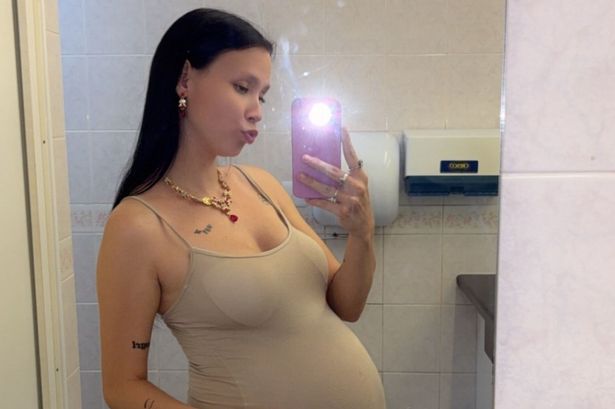
UPDATE: A mother from South Yorkshire has been diagnosed with stage two cervical cancer after being denied an NHS smear test 14 times due to her age. Paige McCall, now 23, experienced heavy bleeding during her pregnancies but claims her urgent health concerns were consistently dismissed.
McCall first noticed abnormal bleeding during her second trimester while pregnant with her daughter, Iris Mason, born in November 2023. Despite visiting Doncaster Royal Infirmary multiple times, she was told she could not receive a smear test until she turned 25, despite her family history of cervical cancer.
The situation escalated when she became pregnant again just six months after giving birth. McCall made six hospital visits for persistent bleeding during this pregnancy, but each time her request for a smear test was denied. It wasn’t until August 2024, at seven months pregnant, that she insisted on a biopsy, which led to her diagnosis on October 31, 2023.
In a shocking turn of events, the NHS appointment for her biopsy was not scheduled until December, prompting McCall to pay £460 for private treatment. She learned she had stage two cervical cancer, a diagnosis that could have been far worse had she waited for the regular screening schedule.
“If I had waited until I was 25 for my first smear test, it would have possibly been stage four,” McCall stated, emphasizing the urgency of her situation. She is now undergoing chemotherapy and has opted for private treatment costing approximately £30,000.
McCall is advocating for a change in cervical screening age, proposing that the smear test should be available to anyone once they become sexually active, or at least starting at age 16. She launched a petition and created a GoFundMe page to help other young women access necessary care.
According to Cancer Research UK, cervical screenings, or smear tests, are crucial for identifying abnormal cells before they develop into cancer. Currently, these tests are routinely offered to individuals with a cervix starting at age 25.
McCall’s story highlights a critical gap in the healthcare system regarding younger women’s health. She expressed her frustration, saying,
“It leaves me feeling angry that I’ve got to go to this extent to save my life.”
In response to McCall’s case, a spokesperson from the Department of Health and Social Care extended sympathies and reiterated that anyone with symptoms should consult their GP promptly. They maintain that lowering the screening age may not be beneficial based on independent expert advice.
A representative from Doncaster and Bassetlaw Teaching Hospitals stated they are willing to understand more about McCall’s experience to improve their processes and care.
As McCall continues her battle with cancer, she remains focused on her children, declaring,
“If I wasn’t a mum I would be dwelling on the fact that I had cancer, but the world doesn’t stop because I have cancer.”
McCall’s advocacy is a call to action for healthcare providers to reassess their policies on cervical screenings, potentially saving lives in the future. You can support her cause by visiting her GoFundMe page [here](https://gofund.me/5c100068c) and signing her petition [here](https://c.org/BxPgTbQpbN).
This urgent health issue reveals the importance of listening to patients and prioritizing timely medical intervention, especially for young women at risk.