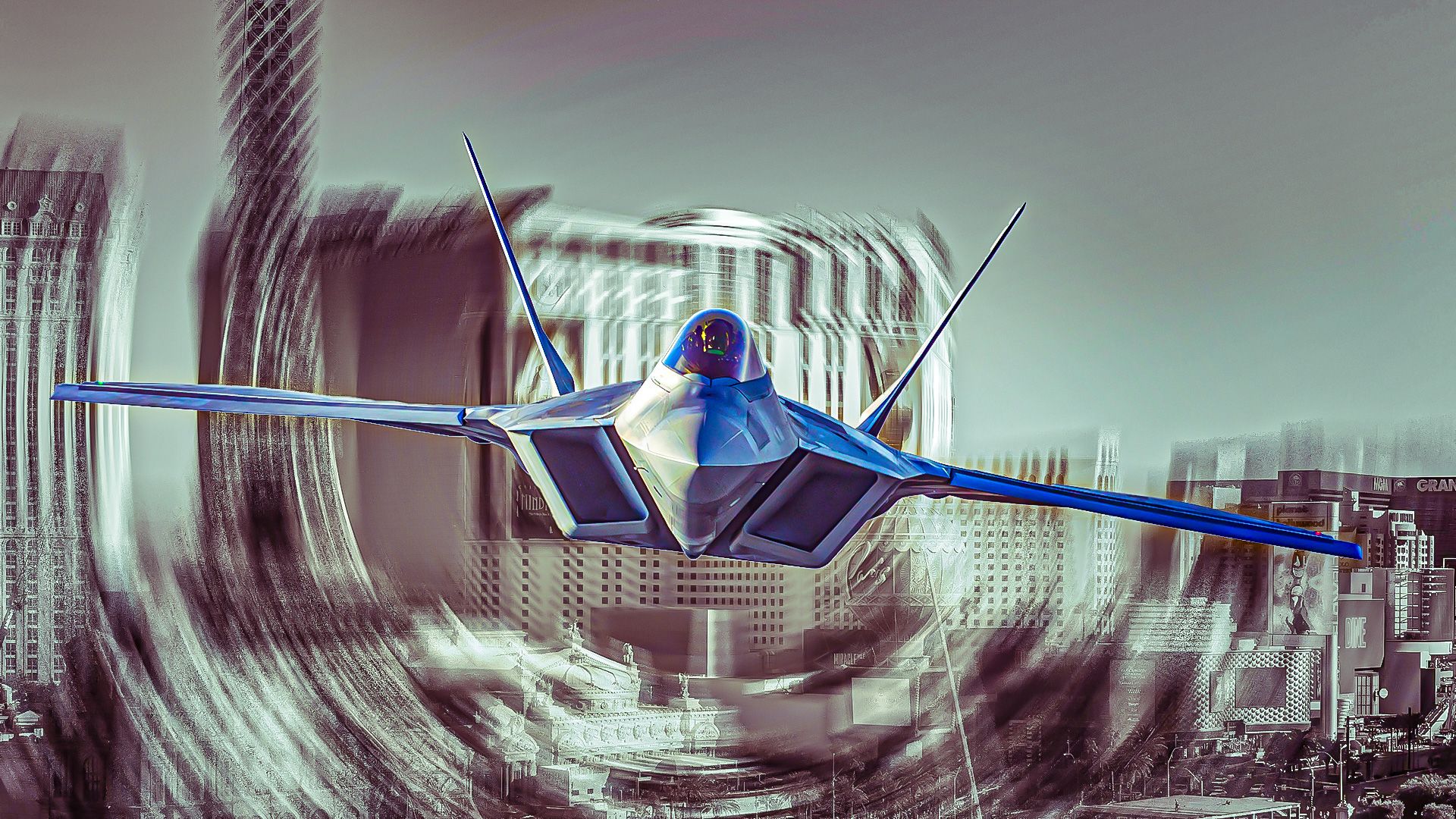
URGENT UPDATE: As of now, the US Air Force has confirmed that just 183 F-22 Raptors remain operational, following a series of accidents that have claimed at least five jets since their introduction. This alarming decline raises significant concerns about the air dominance capabilities of the United States amidst increasing military advancements from China.
The F-22 Raptor, which first entered service in 2005, was originally intended to be a force of 750 units. However, production was drastically cut down to just 195 built, with only 187 delivered to the Air Force. Of these, around 32 are training variants and not suitable for combat. Current estimates suggest that fewer than 150 combat-capable Raptors are available, many of which may not be flightworthy, pending maintenance or repairs.
This situation is critical as the F-22 faces pressure from the rapidly developing capabilities of the Chengdu J-20 and other advanced Chinese fighters. The need for a robust air dominance strategy is more pressing than ever, with the F-22 still recognized as the world’s leading air superiority fighter despite the advancements of the F-35 Lightning II.
The F-22 program has had a tumultuous history. Originally part of the US Air Force’s Advanced Tactical Fighter program initiated in 1981, its development persisted through the end of the Cold War, a period when the need for such a fighter was questioned. Ultimately, only a fraction of the planned aircraft were built due to shifting defense priorities and budget constraints.
In 2025, the Air Force reported that 178 operational F-22s were in service, further emphasizing the diminishing fleet. Despite the ongoing upgrades to enhance its capabilities, the operational status of the F-22 is precarious. The potential for the F-22 fleet to remain relevant until the 2040s hinges on upgrades, including a new Infrared Defensive System and stealth enhancements.
As military tensions rise globally, this reduction in operational F-22s poses a significant challenge for US defense strategies. The Air Force has repeatedly requested to retire the outdated Block 20 variants, but congressional objections have stalled these plans. The implications are profound; with fewer than 150 combat-ready F-22s, the US military’s air dominance is at risk.
The situation is evolving, and the upcoming years will be crucial. With the development of a new sixth-generation fighter jet, the F-47, still in the works, the Air Force must balance its resources while maintaining the operational integrity of its existing fleet.
As military dynamics shift on the global stage, the pressing question remains: Can the F-22 Raptor sustain its role as the tip of the spear for US air superiority with such a reduced fleet? The next developments in this ongoing saga will be closely monitored as the US Air Force navigates these challenges. Stay tuned for further updates on this critical issue.