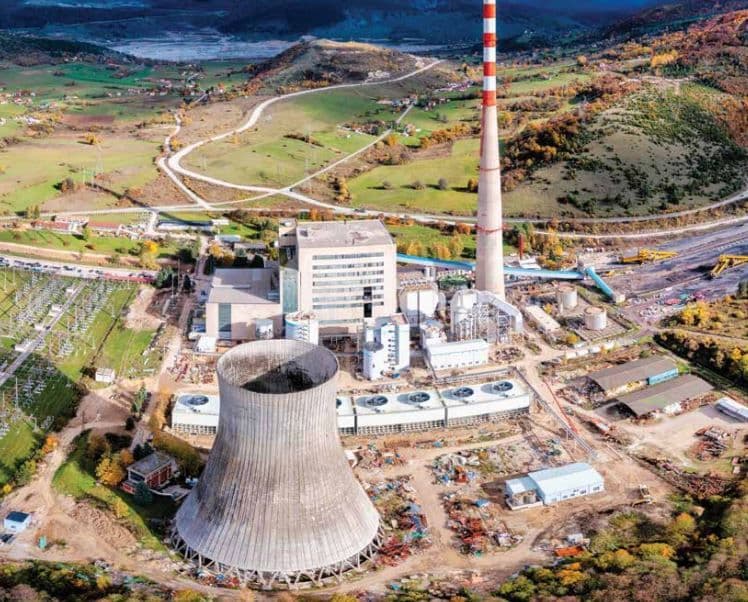
UPDATE: Elektroprivreda Crne Gore (EPCG) has confirmed that the new thermal power plant in Pljevlja was officially put into trial operation on December 1, 2023, despite allegations from political leader Dritan Abazović claiming it was activated unlawfully. The controversy has escalated as EPCG responds to accusations of self-approval and environmental negligence.
In a statement released to the media, EPCG firmly refutes Abazović’s claims, stating that the thermal power plant has undergone rigorous compliance checks, including technical inspections and approvals mandated by law. Authorities emphasize that the plant represents an investment of €80 million aimed at reducing emissions and meeting stringent European environmental standards.
EPCG asserts that the power plant is equipped with newly installed desulfurization and denitrification systems, countering Abazović’s allegations that these systems were intentionally disabled. The company underscores, “This is a trial operation involving a gradual integration of complex systems, consistent with international technical procedures to ensure safety and stability.”
Officials from EPCG highlight that the trial phase is crucial for the effective functioning of the plant, clarifying that this does not replace the regulatory oversight required from inspection and governmental bodies. They note, “The decision for trial operation is primarily technical, not political, and aligns with the established laws of Montenegro.”
The company expresses a commitment to transparency, reiterating its readiness for institutional scrutiny. They dismiss Abazović’s claims, labeling them as politically motivated attempts to undermine the project and sow public distrust. “His statements reflect personal grievances and do not serve the public interest,” EPCG stated.
The company points to the long-standing issue of air pollution in Pljevlja, indicating that it is a complex problem exacerbated by several factors, including residential heating systems and traffic, not solely attributable to the thermal power plant. “Current pollution levels are not unprecedented and have been observed in prior years, even when the plant was inactive,” EPCG emphasized.
Additionally, official health data refutes claims linking respiratory issues to the new plant’s operation. The Ministry of Health has reported an uptick in respiratory cases across Montenegro, correlating with seasonal viral infections rather than air quality issues associated with the power plant.
To combat pollution, EPCG is implementing measures to assist local households, including a 50% discount on electricity during the winter months and a 75% discount for users of specific heating installations. These initiatives aim to improve air quality while the company continues to invest in long-term solutions, such as the ongoing city heating project.
EPCG remains open to collaboration with relevant authorities while firmly rejecting the politicization of environmental issues. “We will defend the facts and public interest vigorously against any unfounded allegations,” they stated.
As the situation develops, all eyes will be on EPCG’s operational results and the ongoing dialogue surrounding air quality in Pljevlja, as stakeholders seek a resolution to these pressing environmental challenges.