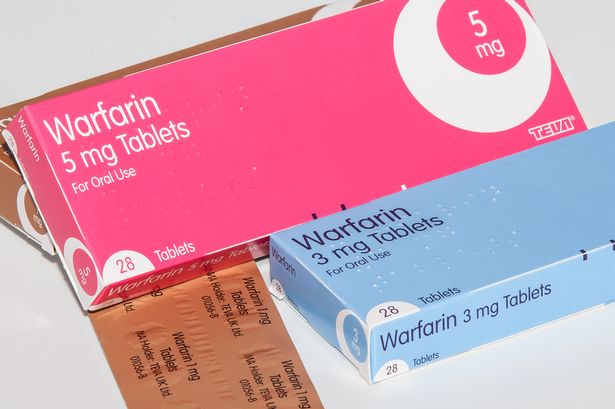
Millions of people taking the blood-thinning medication warfarin have received a crucial alert from the NHS regarding the consumption of two specific fruit juices. The health service advises that both cranberry and grapefruit juice should be avoided, as they can significantly increase the effects of the medication, heightening the risk of serious bleeding.
With over 2.5 million individuals prescribed warfarin in England, the NHS emphasizes the importance of dietary management for those on this medication. Warfarin, classified as an anticoagulant, is designed to prevent blood clots that could lead to life-threatening conditions such as strokes or heart attacks. It works by making blood flow more easily through veins, thus reducing the likelihood of clot formation.
Patients typically take warfarin daily and must undergo regular blood tests to monitor the effectiveness of their treatment. The NHS has made it clear that while warfarin has substantial benefits, it also carries risks. A spokesperson explained, “While warfarin has enormous benefits, the downside is that it can make you bleed more than normal.” They added that serious bleeding, which can occur unexpectedly, requires immediate medical attention.
Understanding the Risks and Dietary Considerations
In addition to monitoring their medication, patients are advised to maintain a stable and healthy diet. Major fluctuations in diet can affect how warfarin operates within the body. The NHS cautions that patients should consult with their healthcare provider before making significant changes to their eating habits. Foods high in vitamin K, such as green leafy vegetables, egg yolks, mature cheeses, avocados, and olive oil, should be consumed consistently rather than avoided entirely.
The NHS specifically warns against drinking cranberry or grapefruit juice while on warfarin. These juices contain compounds that inhibit cytochrome, an enzyme crucial for medication metabolism in the small intestine and liver. The spokesperson noted, “Do not drink cranberry or grapefruit juice while you’re taking warfarin. It can increase the effect of your medicine and put you at higher risk of bleeding.”
The potential consequences of consuming these juices can lead to elevated medication levels in the bloodstream, which may result in unintentional overdoses or exacerbated side effects. This warning is not exclusive to warfarin, as similar interactions can occur with other medications, including statins.
Importance of Communication with Healthcare Providers
Given the complexities surrounding warfarin and dietary restrictions, patients are encouraged to engage in open discussions with their doctors regarding any other foods or drinks that may interact with their prescribed medications. Regular consultations are vital for managing health effectively while using warfarin, ensuring that patients remain informed about potential risks and dietary guidelines.
In conclusion, the NHS’s alert serves as an important reminder for those on warfarin to be vigilant about their dietary choices, particularly regarding cranberry and grapefruit juices. By adhering to these guidelines and maintaining communication with healthcare providers, patients can better manage their treatment and reduce the risk of complications.